Professional towing and roadside assistance available 24/7 across Toronto and the Greater Toronto Area.
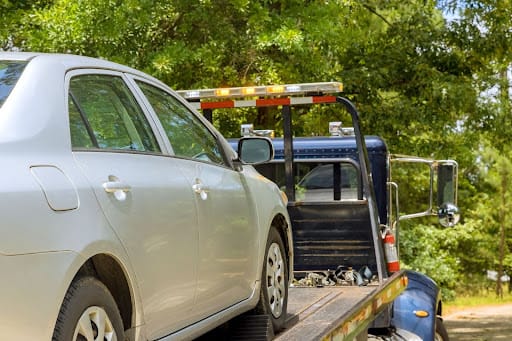
Towing a car might seem straightforward, but it involves specific steps and safety measures to ensure the job is done correctly. Whether you’re dealing with a breakdown, moving a vehicle, or helping a friend in need, understanding the proper techniques is crucial to avoid damage and ensure a safe towing process. In this guide, we explain the essential steps to tow a car and share tips to make the process smooth and secure.
The choice of method largely depends on the type of vehicle being towed, the distance, and the equipment at hand.
A tow dolly supports one axle while the other wheels remain on the road. This method is not suitable for every vehicle. Do not assume that lifting only the front wheels protects an AWD drivetrain. Before towing, the operator must check the vehicle manufacturer’s instructions and select the required equipment and transport method.
Flatbed trailers are widely considered the most versatile and safest towing option for a variety of vehicles. They are especially beneficial for low-profile vehicles, classic cars, and luxury vehicles as they allow the entire car to be secured on the trailer, avoiding any contact with the road. Flatbeds are also ideal for transporting motorcycles, ATVs, and other specialized vehicles, as they provide a stable, damage-free ride. With their ability to accommodate a range of vehicle types and protect against road damage, flatbed trailers are a preferred choice for delicate and high-value transports.
Expert towing services near you
Using the appropriate towing equipment is critical for safe and efficient towing. Here’s a rundown of essential towing equipment:
The most common questions about roadside assistance
Professional towing services offer a safe, reliable, and efficient solution when your vehicle breaks down or needs transport. Trained experts have the right equipment, experience, and knowledge to handle various situations, from minor breakdowns to complex recovery scenarios, ensuring your vehicle is transported without damage.
Unlike DIY towing, which can pose risks of improper attachment, vehicle damage, or safety hazards, professional towing minimizes these risks and provides peace of mind. Opting for a professional service saves you time, reduces stress, and guarantees a smooth towing experience.
Emergency towing services in Torongo
Proper preparation is key to a successful towing experience. Here are some tips to ensure you’re ready for the task:
Before towing, inspect both the towing and towed vehicles to ensure they are in good condition. Check that the brakes, lights, tires, and steering mechanisms are working properly to prevent unexpected issues on the road. This includes ensuring the towing connections are secure and all parts are functioning correctly. A thorough pre-tow inspection helps identify problems that could compromise safety during transport.
Road conditions can significantly impact towing safety. Drive cautiously, especially on busy roads or in adverse weather conditions like rain or snow. Maintain a safe distance from other road users to allow for unexpected stops. Avoid sudden maneuvers or sharp turns, which can destabilize the trailer or towed vehicle.
Properly securing the vehicle is crucial for safe towing. Whether using a tow dolly or flatbed trailer, ensure the vehicle is firmly fastened with the right equipment. Utilize recovery straps, tire straps, and safety chains to prevent any movement. Regularly check the stability of the load, particularly during long-distance trips, to avoid potential issues.
Maintaining a slow and steady speed is crucial when towing a vehicle to avoid sudden movements that could destabilize the towed car. Avoid sharp turns, rapid acceleration, or abrupt braking, as these actions can cause swaying or loss of control. Gradual acceleration and deceleration help keep both vehicles aligned and reduce the strain on towing connections. Consistent, cautious driving not only protects the vehicles but also ensures the safety of other road users.
Regular maintenance of your towing equipment is vital for safety. Ensure that the hitch, brake controller, and other components are inspected and well-maintained. This helps prevent mechanical issues that could lead to dangerous situations on the road. If you notice any problems with the equipment or the vehicle being towed, seek professional tow services or visit a service center for necessary repairs.
Towing a vehicle requires careful attention to detail to ensure safety and prevent damage. Common mistakes, such as improper hitching and neglecting safety chains, can lead to serious issues. By avoiding these frequent errors and following proper procedures, you can tow your vehicle securely and efficiently:
At Norman Towing, we provide towing services throughout Toronto. Our team is dedicated to ensuring your vehicle is handled with the utmost care and professionalism. Whether you're dealing with an unexpected breakdown or need assistance in a challenging situation, we’re here to help.
Here is a list of the services we offer:
One call is all it takes. We're ready to assist you 24/7.