Professional towing and roadside assistance available 24/7 across Toronto and the Greater Toronto Area.
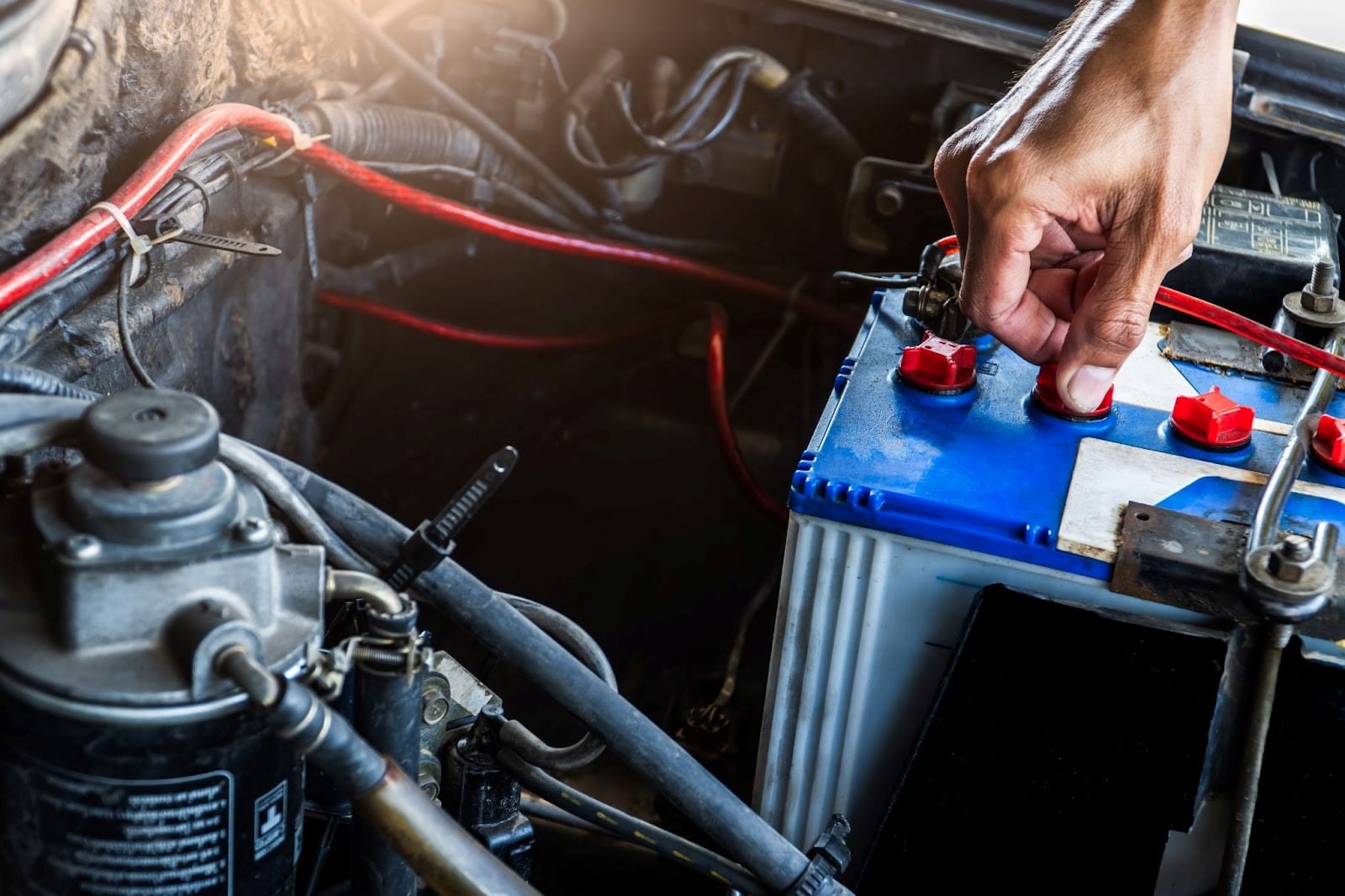
A dead car battery can leave you stranded unexpectedly, but understanding the warning signs of a failing battery can help you avoid roadside troubles. From dim headlights and a slow engine crank to a check engine light, there are many indicators that your car’s battery life is nearing its end. In this guide, we explain key signs and causes of a dead battery as well as how to keep your battery in top shape to prevent inconvenient breakdowns.
Recognizing the signs of a weak or failing battery can help you avoid unexpected breakdowns. Here is a list of weak car battery symptoms to look out for:
Watching for these common signs of battery breakage and having regular battery maintenance checks can keep you prepared while services from an auto shop or tow truck provider can assist if a complete failure occurs.
Do You Require Roadside Assistance?
Knowing what can cause a dead car battery helps in taking preventive measures:
As automotive batteries age, their internal elements degrade, leading to reduced voltage and lower energy capacity. An older battery will struggle to hold a charge, resulting in obvious signs like dim dashboard lights and weak electrical components. Regular checks on battery health can help avoid unexpected issues.
Cold climates can reduce battery efficiency, while high temperatures increase the chance of battery fluid evaporation. In extreme cold, a battery’s cold cranking amps are reduced, making it harder for the battery to produce the electrical energy needed for engine start. Vehicles left unused for an extended period are especially susceptible to these effects, requiring a battery service check in extreme conditions.
Loose or corroded battery connectors disrupt the electrical flow from the battery to essential vehicle parts. This can lead to electrical issues, from dim dashboard lights to sluggish power windows. Regularly cleaning battery terminals with a battery cleaning solution and checking the battery clamp helps maintain the battery in position and ensures strong connections.
Car Battery Boost & Jump Start Services
Regular battery maintenance is essential to prevent unexpected failures:
A short drive does not establish that a weak battery has recovered or that the charging system is working correctly. Follow the vehicle manufacturer’s charging instructions and arrange professional battery and charging system testing if starting problems recur.
However, for a fully depleted battery, achieving a complete charge will usually require several hours with a battery charger. This method ensures the battery reaches its full capacity safely, as chargers are designed to provide a steady and optimal current compared to brief charging intervals while driving.
Do You Need Help Jump-Starting Your Car?
A persistently failing car battery requires more than a quick jump-start to get you back on the road. Here’s when it’s time to consider professional assistance:
If you notice several warning indicators like a flickering battery warning light, dimmed headlights, or a slow engine crank, it’s a sign that your battery health might be in critical condition. These issues, especially when combined with electrical component failures like power window failure or weak dashboard lights, suggest that a jump-start alone will not resolve the problem.
Needing repeated jump-starts is a strong indicator that your battery’s ability to hold a charge has been compromised, potentially due to battery connector corrosion, loose cables, or a damaged alternator. In this case, even after a jump, the battery will die again within a short period or show minimal power output, meaning it requires immediate repair or replacement.
If your battery is unable to start the vehicle in cold temperatures or overheats during high temperatures, it has lost its resilience to environmental conditions. Batteries that struggle in colder climates or during extreme heat often have diminished cold cranking amps and could be at the end of their service life.
If you notice battery acid leaks or heavy corrosion on battery terminals and connectors, it can pose a safety hazard. Leaks often indicate internal damage that requires a replacement.
If your battery warning light frequently turns on or off or if you experience voltage fluctuations, it’s best to call a professional. This can indicate issues with the alternator or battery that could worsen without immediate attention.
If you’ve recently added new accessories or electronics to your car, these can be overtaxing the battery. Professionals can assess whether your current battery can handle the added load or if an upgrade is required to avoid future breakdowns.
If you’re facing repeated battery failures, Norman Towing’s roadside assistance is invaluable. We offer battery replacement services and emergency roadside help to get you back on the road safely, saving you from the hassle of being stranded due to a dead battery. Our team provides prompt service, assessing and addressing battery issues on-site and offering a quick solution if replacement is necessary.
Towing and Jump Start Assistance
Norman Towing provides 24/7 emergency towing and roadside assistance across Toronto and the GTA. With services like fuel delivery, battery jump-starts, lockout help, and heavy-duty towing, Norman Towing is ready for any roadside need.
Our well-equipped fleet can handle a range of vehicle types, from motorcycles to commercial trucks, ensuring safe transport and timely support. Whether you’re dealing with a flat tire or a dead battery, our professional team aims to get you back on the road as quickly as possible.
One call is all it takes. We're ready to assist you 24/7.