Professional towing and roadside assistance available 24/7 across Toronto and the Greater Toronto Area.
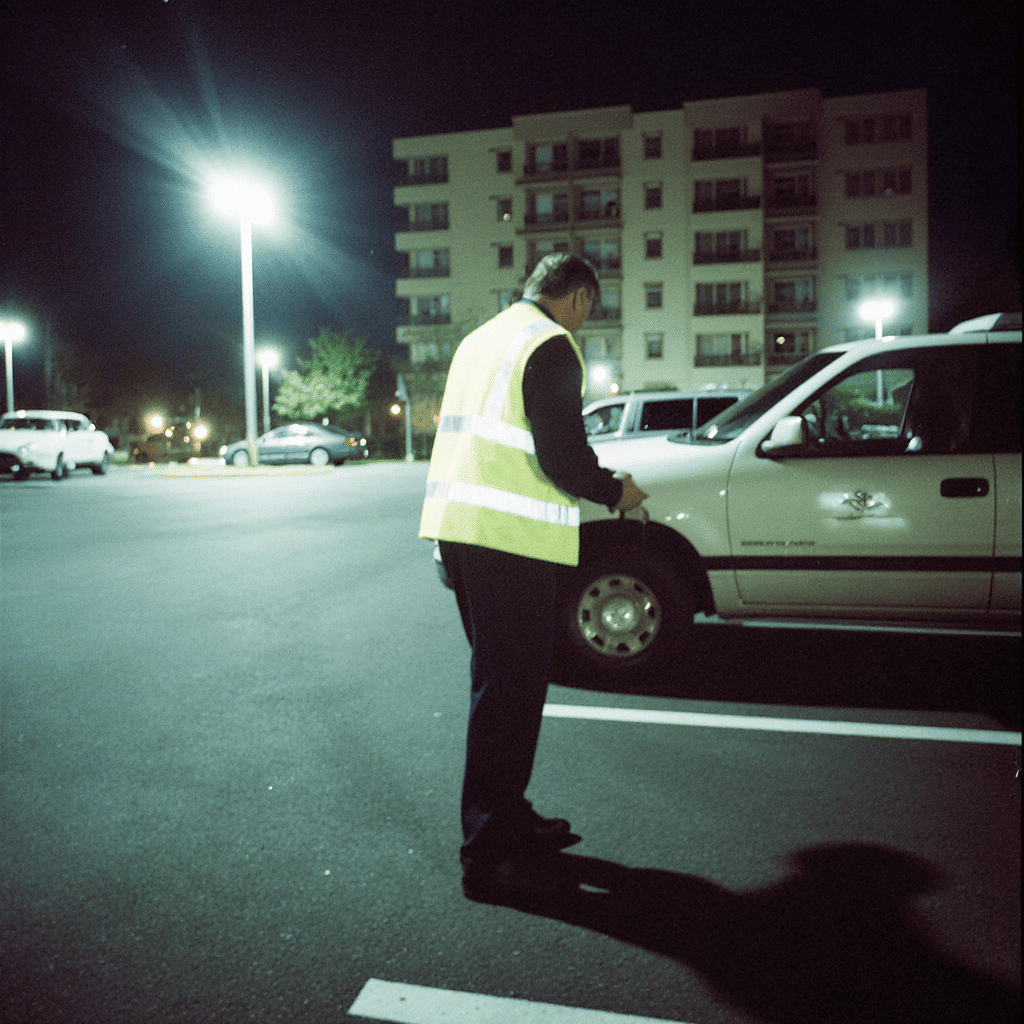
Private parking lots may look simple — painted lines, a few signs, and open space. But in Toronto and the GTA, they are high-pressure environments where misuse happens daily. Without structured enforcement, parking areas quickly turn into sources of complaints, safety risks, and operational disruptions.
This guide breaks down how professional parking enforcement works, why it matters, and how property owners can turn a problem area into a controlled, compliant system with help from experts like Norman Towing.
Private parking enforcement is the structured management of parking rules on non-public property. This includes:
The goal is simple: ensure that parking spaces are used only by authorized vehicles and according to posted rules.
But in practice, it involves planning, monitoring, compliance, and documentation — not just towing.
Without enforcement, parking issues multiply:
🚫 Non-residents using tenant spaces
🚫 Abandoned or long-term vehicles
🚫 Fire routes blocked
🚫 Accessible parking misuse
🚫 Customers unable to find spots
🚫 Delivery and loading zones blocked
These problems don’t just frustrate people — they affect safety, reputation, and even legal liability.
Professional enforcement starts with understanding your property.
A proper assessment includes:
This step ensures enforcement is based on your property’s real needs, not generic rules.
Clear signage is the foundation of legal and effective enforcement.
Signs should communicate:
✔ Who can park
✔ Time limits
✔ Permit requirements
✔ Consequences for violations
Well-placed, visible signage reduces disputes and ensures drivers are informed before enforcement action occurs.
Consistent patrols create deterrence. When drivers know a lot is monitored, violations drop significantly.
Professional patrols focus on:
Monitoring may occur during peak hours, overnight, or on custom schedules depending on the property.
Documentation is what separates professional enforcement from risky, informal action.
Proper documentation includes:
This protects property owners if a vehicle owner challenges enforcement and ensures actions follow municipal requirements.
Towing is typically the last step, not the first. It’s used when violations continue or when vehicles create safety risks.
Professional services ensure:
Keep clear records and confirm the applicable enforcement procedure. A professional provider and good documentation do not eliminate the possibility of a dispute.
Some property owners try to manage parking internally. But this often leads to:
❌ Staff confrontations with drivers
❌ Inconsistent rule enforcement
❌ Poor documentation
❌ Legal risk
Professional enforcement teams provide neutrality, training, and compliance knowledge — removing emotion from the process.
When enforcement is structured and consistent:
✔ Parking spaces remain available for authorized users
✔ Tenant and customer satisfaction improves
✔ Complaints decrease
✔ Safety risks are reduced
✔ Property reputation improves
✔ Management workload decreases
It becomes a preventive system, not a daily emergency.
Residential Properties
Commercial Properties
Industrial Sites
Each requires a tailored approach.
In Toronto and the GTA, improper enforcement can lead to disputes or claims. Professional services help ensure:
Keep clear records and confirm the applicable enforcement procedure. A professional provider and good documentation do not eliminate the possibility of a dispute.
Parking enforcement isn’t about being strict — it’s about creating order, fairness, and safety.
With structured enforcement, property owners move from constant complaints to predictable, controlled parking systems. Professional services like Norman Towing help transform parking from a problem into a managed asset.
Ask your property manager and local enforcement office to confirm the procedure for your site. Documentation supports a review, but does not guarantee protection from liability.
One call is all it takes. We're ready to assist you 24/7.